
Published
Rise And Fall Of DMX, The Story Of DMX, Documentary about DMX' career and rise to fame
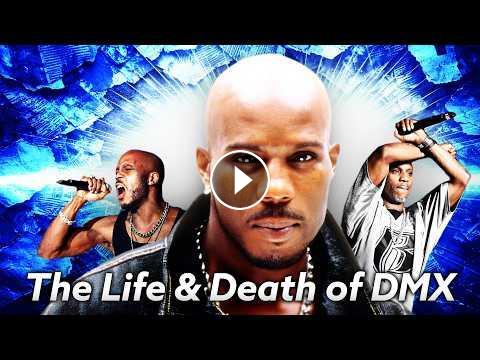
The Tragic Life & Death Of DMX
Few artists embodied pain, passion, and raw authenticity like DMX. Born Earl Simmons, DMX wasn’t just a rapper — he was a voice for the broken, the abandoned, and the unheard. In this video, we take a deep dive into the rise, struggles, redemption attempts, and tragic passing of one of hip-hop’s most intense and influential figures.
Raised in Yonkers, New York, DMX endured a childhood filled with trauma, abuse, and instability. From being beaten as a child to spending time in group homes and juvenile detention centers, his early life shaped the raw emotion that would later define his music. Pain wasn’t something DMX performed — it was something he lived.
In the late 1990s, hip-hop witnessed something rare: a superstar who didn’t rely on flashy gimmicks or polished personas. DMX exploded onto the scene with his debut album It’s Dark and Hell Is Hot, a gritty masterpiece that debuted at No. 1 on the Billboard 200. He followed it up the same year with Flesh of My Flesh, Blood of My Blood, making him the first artist ever to release two No. 1 albums in the same calendar year.
Songs like “Ruff Ryders’ Anthem,” “Slippin’,” and “Party Up (Up in Here)” became cultural landmarks. His aggressive delivery, haunting prayers, and brutally honest confessions set him apart from everyone else. At a time when rap was becoming increasingly commercial, DMX brought the streets, the struggle, and spirituality to the forefront.
But behind the platinum plaques and sold-out arenas, DMX was battling deep personal demons. Addiction haunted him from a young age, and despite numerous attempts at rehab and recovery, it remained a constant struggle throughout his life. His legal troubles, arrests, and public controversies often overshadowed his musical accomplishments, yet fans remained loyal because they saw his humanity. He never pretended to be perfect — he openly wrestled with his flaws.
In this video, we explore:
• DMX’s traumatic childhood and early years
• His breakthrough in the late ‘90s rap scene
• The success of his first five consecutive No. 1 albums
• His acting career in films like Belly, Romeo Must Die, and Cradle 2 the Grave
• His battle with addiction and legal issues
• His spiritual journey and public prayers
• The tragic events leading to his hospitalization in 2021
• The impact of his death on hip-hop and beyond
In April 2021, the world was shaken by the news that DMX had suffered a drug overdose that led to cardiac arrest. After days in critical condition, he passed away at just 50 years old. Tributes poured in from artists, fans, and public figures across the globe. The streets of Yonkers filled with memorials, prayer circles, and candlelight vigils — proof that DMX wasn’t just a celebrity, he was a symbol of survival and vulnerability.
More than anything, DMX represented honesty. He showed that strength and brokenness can coexist. His music gave comfort to millions who felt lost, angry, or alone. Even in his darkest moments, he spoke about faith, redemption, and hope.
His legacy lives on through his music, his children, and the countless artists he inspired. DMX didn’t just rap about struggle — he let the world see it in real time.
This is the story of triumph, pain, faith, addiction, resilience, and tragedy.
If you appreciate deep-dive hip-hop documentaries that tell the full story — not just the headlines — make sure to like, comment, and subscribe for more.
Rest in peace, DMX. The dog will always bark.
"The Truth Behind" Documentary Series Playlist: https://www.youtube.com/playlist?list=PLNxrdTjgEbxxh81raOhZNDALBq1tSkfoe
The Tragic Life & Death Of DMX
Few artists embodied pain, passion, and raw authenticity like DMX. Born Earl Simmons, DMX wasn’t just a rapper — he was a voice for the broken, the abandoned, and the unheard. In this video, we take a deep dive into the rise, struggles, redemption attempts, and tragic passing of one of hip-hop’s most intense and influential figures.
Raised in Yonkers, New York, DMX endured a childhood filled with trauma, abuse, and instability. From being beaten as a child to spending time in group homes and juvenile detention centers, his early life shaped the raw emotion that would later define his music. Pain wasn’t something DMX performed — it was something he lived.
In the late 1990s, hip-hop witnessed something rare: a superstar who didn’t rely on flashy gimmicks or polished personas. DMX exploded onto the scene with his debut album It’s Dark and Hell Is Hot, a gritty masterpiece that debuted at No. 1 on the Billboard 200. He followed it up the same year with Flesh of My Flesh, Blood of My Blood, making him the first artist ever to release two No. 1 albums in the same calendar year.
Songs like “Ruff Ryders’ Anthem,” “Slippin’,” and “Party Up (Up in Here)” became cultural landmarks. His aggressive delivery, haunting prayers, and brutally honest confessions set him apart from everyone else. At a time when rap was becoming increasingly commercial, DMX brought the streets, the struggle, and spirituality to the forefront.
But behind the platinum plaques and sold-out arenas, DMX was battling deep personal demons. Addiction haunted him from a young age, and despite numerous attempts at rehab and recovery, it remained a constant struggle throughout his life. His legal troubles, arrests, and public controversies often overshadowed his musical accomplishments, yet fans remained loyal because they saw his humanity. He never pretended to be perfect — he openly wrestled with his flaws.
In this video, we explore:
• DMX’s traumatic childhood and early years
• His breakthrough in the late ‘90s rap scene
• The success of his first five consecutive No. 1 albums
• His acting career in films like Belly, Romeo Must Die, and Cradle 2 the Grave
• His battle with addiction and legal issues
• His spiritual journey and public prayers
• The tragic events leading to his hospitalization in 2021
• The impact of his death on hip-hop and beyond
In April 2021, the world was shaken by the news that DMX had suffered a drug overdose that led to cardiac arrest. After days in critical condition, he passed away at just 50 years old. Tributes poured in from artists, fans, and public figures across the globe. The streets of Yonkers filled with memorials, prayer circles, and candlelight vigils — proof that DMX wasn’t just a celebrity, he was a symbol of survival and vulnerability.
More than anything, DMX represented honesty. He showed that strength and brokenness can coexist. His music gave comfort to millions who felt lost, angry, or alone. Even in his darkest moments, he spoke about faith, redemption, and hope.
His legacy lives on through his music, his children, and the countless artists he inspired. DMX didn’t just rap about struggle — he let the world see it in real time.
This is the story of triumph, pain, faith, addiction, resilience, and tragedy.
If you appreciate deep-dive hip-hop documentaries that tell the full story — not just the headlines — make sure to like, comment, and subscribe for more.
Rest in peace, DMX. The dog will always bark.
"The Truth Behind" Documentary Series Playlist: https://www.youtube.com/playlist?list=PLNxrdTjgEbxxh81raOhZNDALBq1tSkfoe
- Category
- Rap
- Tags
- DMX, DMX death, DMX documentary
Sign in or sign up to post comments.
Be the first to comment
Up Next
Autoplay
-
00:15

Eminem - The Death of Slim Shady (Out Now)
-
56:00
The Truth Behind Big L's Death
-
00:19
For better or worse, 'Til death do us part
-
10:34
Kpop News: HYBE Copied EXO? NewJeans Mocked A Tragic Accident? Winter laughed about Bang Si-hyuk?
-
03:53
Emperor - Death Tax
-
03:27
Enei - Death Crew
-
02:57
9Blade & 4YÛ - Death March
-
08:20
8 Most Tragic Deaths of Kpop
-
04:34
Enei & En:vy - Death Sprint
-
1:37:00
The Truth Behind Big Pun's Tragic Life & Death
-
04:01

Ez Mil performs "Panalo" LIVE on the Wish USA Bus
-
03:48

Ez Mil performs "Idk" LIVE on the Wish USA Bus
-
04:43
Psychedelic Teardrop - Ezekiel Miller
-
04:01

Sadness Of The Sea (Improvised Acoustic Song)
-
03:44

Marc Velasco performs "Ordinary Song" LIVE on Wish 107.5 Bus
-
04:48

CLR performs “P's Song” LIVE on Wish 107.5 Bus
-
03:04

Ez Mil - Re-Up (Lyric Video)
 Loading...